
Navigating the world of roof replacement insurance claims can be a daunting task for homeowners. From understanding the importance of insurance coverage to filing a claim and dealing with adjusters, the process can seem overwhelming. In this guide, we will break down the key aspects of roof replacement insurance claims, providing you with valuable insights to help you protect your home and finances.
Importance of Roof Replacement Insurance Claim
Having insurance for roof replacement is crucial for homeowners as it provides financial protection in case of unexpected damage or wear and tear to the roof.
Benefits of Filing an Insurance Claim for Roof Replacement
- Financial Assistance: Insurance coverage can help offset the high costs associated with roof replacement, including materials and labor.
- Peace of Mind: Knowing that you have insurance coverage for roof replacement can give homeowners peace of mind, especially during severe weather seasons.
- Timely Repairs: Insurance claims can expedite the process of getting your roof repaired or replaced, preventing further damage to your home.
Situations Where Insurance Coverage for Roof Replacement Proved Valuable
- After a severe storm or natural disaster that caused significant damage to the roof.
- In cases of sudden leaks or structural issues that require immediate attention.
- When the roof reaches the end of its lifespan and needs to be replaced due to wear and tear.
Steps to File a Roof Replacement Insurance Claim
When it comes to filing a roof replacement insurance claim, there are several important steps that homeowners need to take in order to ensure a smooth and successful process.
Initial Steps for Filing a Roof Replacement Insurance Claim
- As soon as you notice damage to your roof, contact your insurance company to file a claim. It's important to act quickly to prevent further damage.
- Document the damage by taking photos or videos. This visual evidence will be crucial in supporting your claim.
- Get in touch with a reputable roofing contractor to assess the damage and provide an estimate for the repairs. They can also help you navigate the insurance claim process.
Documentation Required for an Insurance Claim for Roof Replacement
- Provide your insurance company with a detailed list of the damage, including the date it occurred and any relevant information.
- Submit the estimate from the roofing contractor, along with any additional documentation they provide to support the claim.
- Keep records of any communication with the insurance company, including emails, phone calls, and letters.
Working with Insurance Adjusters and Contractors
- Be prepared to meet with an insurance adjuster who will assess the damage and determine the coverage for your claim.
- Work closely with your roofing contractor to ensure that the repairs are completed according to the insurance company's requirements.
- Stay in communication with both the insurance adjuster and contractor throughout the process to address any questions or concerns that may arise.
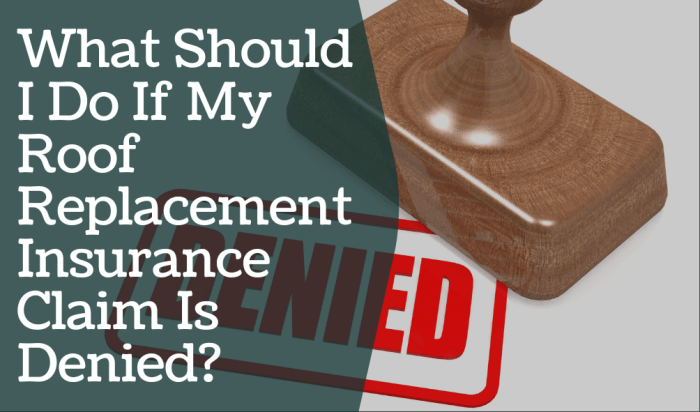
Common Reasons for Denied Roof Replacement Insurance Claims
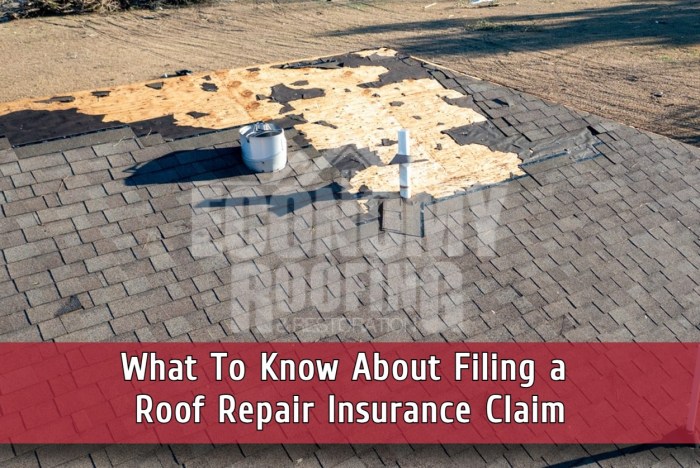
When filing a roof replacement insurance claim, it is essential to be aware of common reasons why claims may be denied. By understanding these factors, homeowners can take necessary precautions to avoid potential issues that may lead to claim denial.
Additionally, knowing the appeals process for denied claims can help in seeking a resolution.
Lack of Maintenance
One common reason for denied roof replacement insurance claims is the lack of proper maintenance. Insurance companies may deny claims if they determine that the damage could have been prevented through regular upkeep. To avoid this issue, homeowners should ensure they maintain their roofs regularly by inspecting for damages, cleaning debris, and addressing any issues promptly.
Pre-existing Damage
Another reason for denied claims is pre-existing damage. If the insurance company finds evidence that the damage existed before the policy was in place, they may reject the claim. To prevent this, homeowners should document the condition of their roof before obtaining insurance and keep records of any repairs or maintenance done over time.
Policy Exclusions
Claims can also be denied due to policy exclusions. It is crucial for homeowners to review their insurance policy carefully to understand what is covered and what is not. If the damage falls under an exclusion, the claim may not be approved.
To avoid this, homeowners should discuss coverage options with their insurance provider and make any necessary adjustments to ensure adequate coverage.
Incomplete Documentation
Incomplete or insufficient documentation is another common reason for denied claims. Insurance companies require detailed documentation of the damage, including photos, estimates, and reports. Failure to provide adequate proof of the damage can result in claim denial. Homeowners should make sure to document the damage thoroughly and provide all necessary information when filing a claim.
Appeals Process
In case a roof replacement insurance claim is denied, homeowners have the option to appeal the decision. The appeals process typically involves submitting additional evidence or documentation to support the claim. It is essential to follow the instructions provided by the insurance company for the appeals process and provide any requested information promptly.
By understanding the appeals process, homeowners can increase their chances of getting the claim approved.
Understanding Coverage Limits and Deductibles
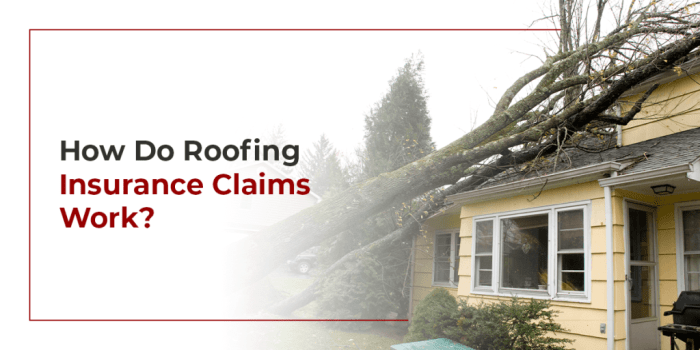
When it comes to roof replacement insurance claims, understanding coverage limits and deductibles is crucial in determining the outcome of your claim.
Impact of Coverage Limits
Coverage limits refer to the maximum amount your insurance policy will pay for a covered loss, such as roof damage. If the cost of replacing your roof exceeds your coverage limit, you may have to cover the remaining expenses out of pocket.
Significance of Deductibles
Deductibles are the amount you are responsible for paying out of pocket before your insurance coverage kicks in. For example, if your deductible is $1,000 and the total cost of roof replacement is $10,000, you would need to pay $1,000 before your insurance covers the remaining $9,000.
Influence of Coverage Limits and Deductibles
Let's say your coverage limit for roof replacement is $15,000, and your deductible is $2,500. If the cost of replacing your roof is $12,000, you would only receive $9,500 from your insurance provider ($12,000 - $2,500 deductible). However, if the replacement cost exceeds your coverage limit, you would have to pay the difference.
Final Summary

As you embark on the journey of filing a roof replacement insurance claim, remember that being informed and prepared is key. By following the steps Artikeld and understanding the nuances of insurance coverage, you can ensure a smoother process and better outcomes for your roof replacement needs.
Commonly Asked Questions
What documents do I need to file a roof replacement insurance claim?
Typically, you will need photos of the damage, a copy of your insurance policy, repair estimates, and any relevant communication with your insurance company.
How do I avoid common reasons for denied roof replacement insurance claims?
Ensure regular maintenance of your roof, promptly address any damage, and review your insurance policy to understand your coverage.
Can I appeal a denied roof replacement insurance claim?
Yes, you can appeal a denied claim by providing additional documentation or seeking assistance from a public adjuster.