
Roofing analytics software offers a revolutionary approach to data analysis in the roofing industry, paving the way for informed decision-making and enhanced business performance. As technology continues to shape the landscape of the roofing sector, understanding the ins and outs of roofing analytics software is key to staying ahead of the curve.
Let's delve into the world of roofing analytics software and uncover its impact on businesses today.
Introduction to Roofing Analytics Software

Roofing analytics software is a specialized tool designed to collect, analyze, and interpret data related to the roofing industry. Its primary purpose is to help roofing businesses make informed decisions, improve efficiency, and optimize their operations through data-driven insights.Using roofing analytics software offers a wide range of benefits for businesses in the roofing sector.
Some of these advantages include:
Enhanced decision-making
By having access to accurate and real-time data, roofing companies can make more informed decisions regarding project planning, resource allocation, and budgeting.
Improved efficiency
Roofing analytics software can streamline processes, identify bottlenecks, and optimize workflows to increase productivity and reduce costs.
Better risk management
By analyzing historical data and trends, businesses can anticipate potential risks and take proactive measures to mitigate them, ultimately minimizing losses and improving overall performance.When comparing roofing analytics software with traditional methods of data analysis in the roofing sector, several key features stand out:
Real-time data tracking
Unlike manual data collection methods, roofing analytics software can provide up-to-date information on project progress, material usage, labor costs, and more.
Predictive analytics
By leveraging advanced algorithms and machine learning capabilities, roofing analytics software can forecast future trends, identify patterns, and recommend optimal strategies for success.
Customizable dashboards
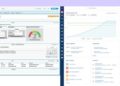
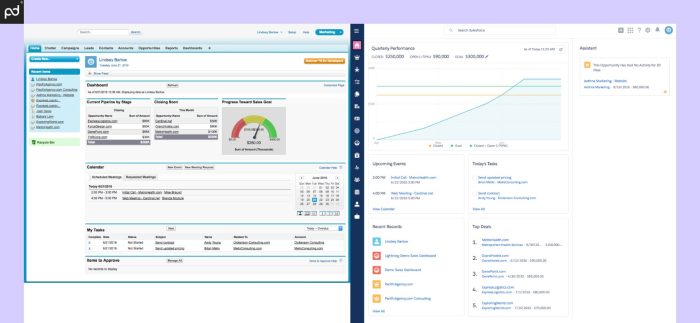
Roofing analytics software allows users to create personalized dashboards with key performance indicators (KPIs), visualizations, and reports to monitor progress and track performance metrics effectively.Overall, roofing analytics software revolutionizes data analysis in the roofing industry by offering powerful tools and insights that drive operational excellence and strategic decision-making.
Key Features of Roofing Analytics Software
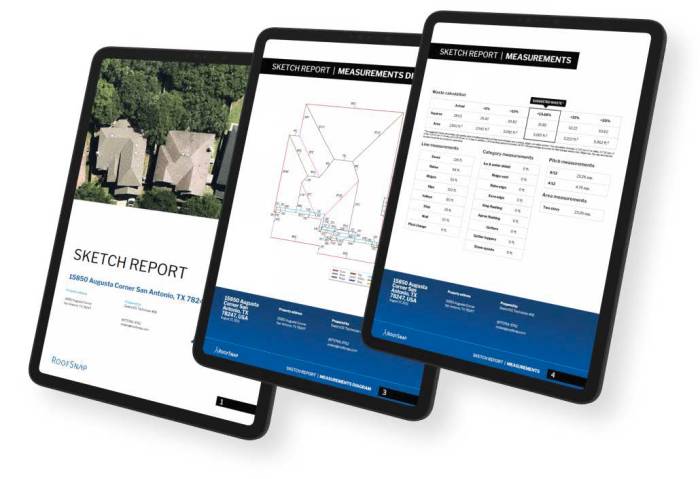
A good roofing analytics software should have the following essential features to help roofing companies make informed decisions:
Data Visualization and Reporting
- Ability to visualize data in easy-to-understand graphs and charts.
- Generate detailed reports for analysis and decision-making.
- Example: Visualizing trends in roof performance over time to identify areas for improvement.
Predictive Analytics
- Utilize predictive models to forecast future outcomes.
- Helps in planning preventive maintenance and budgeting for repairs.
- Example: Predicting potential roof failures based on current conditions and historical data.
Integration with Building Information Modeling (BIM)
- Seamless integration with BIM software for accurate modeling and analysis.
- Helps in visualizing roof designs and identifying potential issues early on.
- Example: Analyzing the impact of roof design changes on energy efficiency using BIM integration.
Mobile Compatibility
- Access data and analytics on-the-go through mobile devices.
- Enable field technicians to input real-time data for immediate analysis.
- Example: Field inspectors capturing roof data on-site and syncing it with the analytics software for instant assessment.
Implementation of Roofing Analytics Software
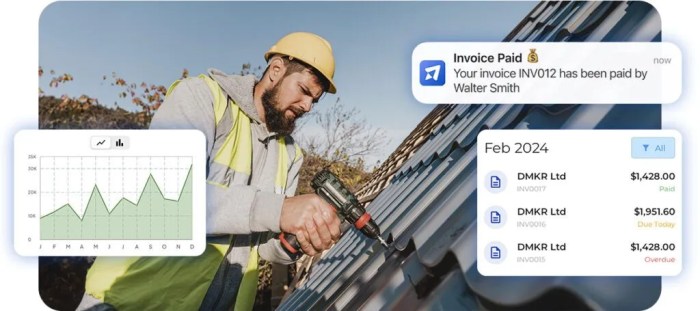
Implementing roofing analytics software in a roofing business involves several key steps to ensure successful integration and utilization within the company. By following best practices and addressing common challenges, companies can maximize the benefits of this technology.
Steps for Implementing Roofing Analytics Software
- Assess Business Needs: Evaluate the current processes and identify areas where roofing analytics software can add value, such as improving project management or enhancing data analysis.
- Choose the Right Software: Research and select a roofing analytics software solution that aligns with the company's specific requirements and goals.
- Training and Onboarding: Provide comprehensive training to employees on how to use the software effectively and ensure a smooth transition during the onboarding process.
- Data Migration: Transfer existing data into the new software system accurately to maintain continuity and avoid data loss.
- Testing and Quality Assurance: Conduct thorough testing to identify any issues or bugs before fully implementing the software across the company.
- Feedback and Monitoring: Gather feedback from users and continuously monitor the software's performance to make necessary adjustments and improvements.
Best Practices for Integrating and Utilizing Roofing Analytics Software
- Involve Stakeholders: Engage key stakeholders throughout the implementation process to ensure alignment with business objectives and promote buy-in from all departments.
- Customize for Specific Needs: Tailor the software to meet the unique requirements of the company and address specific challenges or opportunities within the roofing business.
- Regular Training and Support: Provide ongoing training and support to employees to encourage adoption and maximize the software's potential benefits.
- Data Security Measures: Implement robust data security measures to protect sensitive information and maintain compliance with industry regulations.
Challenges in Implementing Roofing Analytics Software
- Resistance to Change: Employees may resist adopting new technology due to fear of change or lack of understanding about the software's benefits.
- Integration with Existing Systems: Ensuring seamless integration with existing software systems and processes can be a complex and time-consuming task.
- Data Accuracy and Quality: Maintaining accurate and high-quality data inputs is crucial for the software to generate reliable insights and analytics.
Data Visualization and Reporting in Roofing Analytics Software
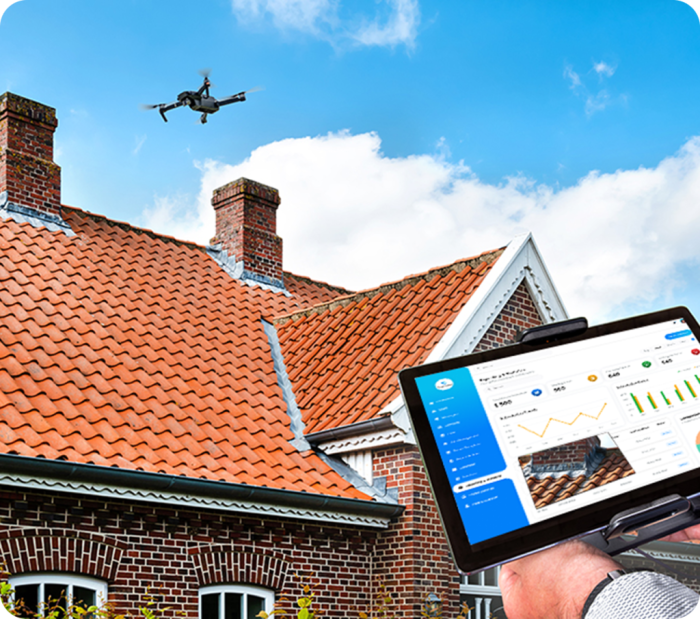
Data visualization plays a crucial role in roofing analytics software as it helps users to understand complex data sets more easily and make informed decisions based on the insights gained from visual representations. By transforming raw data into visual charts, graphs, and tables, roofing analytics software enables users to track performance, identify trends, and monitor key metrics efficiently.
Types of Reports Generated by Roofing Analytics Software
- Performance Reports: These reports provide a detailed analysis of the performance of roofing projects, including metrics such as completion time, budget adherence, and quality control.
- Financial Reports: Financial reports generated by roofing analytics software help users track expenses, revenue, profit margins, and cash flow related to roofing projects.
- Trend Analysis Reports: These reports highlight patterns and trends in data over time, allowing users to identify recurring issues, opportunities for improvement, and areas of success.
- Forecasting Reports: Roofing analytics software can generate forecasting reports to predict future project outcomes based on historical data and trends, helping users make proactive decisions.
Benefits of Reports in Roofing Analytics Software
- Tracking Performance: Reports enable users to monitor the progress and performance of roofing projects in real-time, allowing for timely interventions and adjustments to ensure successful project completion.
- Identifying Trends: By analyzing data through reports, users can identify trends, patterns, and anomalies that may impact project outcomes, enabling proactive decision-making to mitigate risks or capitalize on opportunities.
- Making Informed Decisions: The insights gained from reports empower users to make informed decisions regarding resource allocation, project timelines, budget management, and overall project strategy, leading to improved project outcomes and client satisfaction.
Security and Compliance Considerations
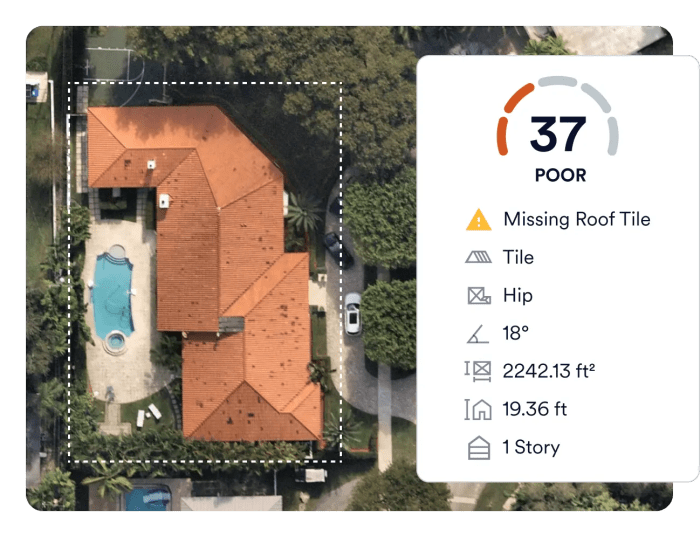
When it comes to roofing analytics software, security and compliance are crucial aspects that cannot be overlooked. Ensuring the protection of sensitive data and adhering to industry regulations is essential for the smooth operation of roofing companies.
Security Measures
- Encryption: Data should be encrypted both in transit and at rest to prevent unauthorized access.
- Access Control: Implement stringent access controls to ensure that only authorized personnel can view or manipulate sensitive data.
- Regular Security Audits: Conduct regular security audits to identify and address any vulnerabilities in the system.
- Two-Factor Authentication: Utilize two-factor authentication to add an extra layer of security when accessing the software.
Compliance Standards
- GDPR Compliance: Ensure that the software complies with the General Data Protection Regulation (GDPR) to safeguard the privacy of personal data.
- HIPAA Compliance: If handling healthcare data, adhere to the Health Insurance Portability and Accountability Act (HIPAA) to protect patient information.
- PCI DSS Compliance: For processing payment card information, comply with the Payment Card Industry Data Security Standard (PCI DSS) to secure payment transactions.
Tips for Data Privacy and Compliance
- Regular Training: Provide training to employees on data privacy best practices and compliance requirements.
- Data Minimization: Only collect and store data that is necessary for the operation of the software to minimize risks.
- Vendor Assessment: Conduct thorough assessments of software vendors to ensure they meet security and compliance standards.
Closing Notes
In conclusion, roofing analytics software emerges as a game-changer for roofing companies looking to streamline their operations, optimize decision-making processes, and drive growth. By harnessing the power of data analytics, businesses can stay competitive in a rapidly evolving industry landscape.
Embrace the potential of roofing analytics software and unlock a new realm of possibilities for your roofing business.
FAQ
What are the primary benefits of using roofing analytics software?
Roofing analytics software enables businesses to make data-driven decisions, improve operational efficiency, and enhance overall performance in the roofing industry.
How does roofing analytics software differ from traditional methods of data analysis in the roofing sector?
Roofing analytics software offers advanced features for data visualization, real-time reporting, and predictive analytics, setting it apart from conventional data analysis methods.
What are some key security measures that roofing analytics software should have?
Roofing analytics software should have robust encryption protocols, access controls, and regular security updates to safeguard sensitive data.