
Exploring the world of roof replacement contractors, this guide delves into the importance of hiring professionals, factors to consider when choosing the right contractor, types of roofing materials, and the steps involved in the replacement process. From the advantages of professional workmanship to the impact of different materials on the overall process, this guide covers it all.
Importance of Hiring Professional Roof Replacement Contractors
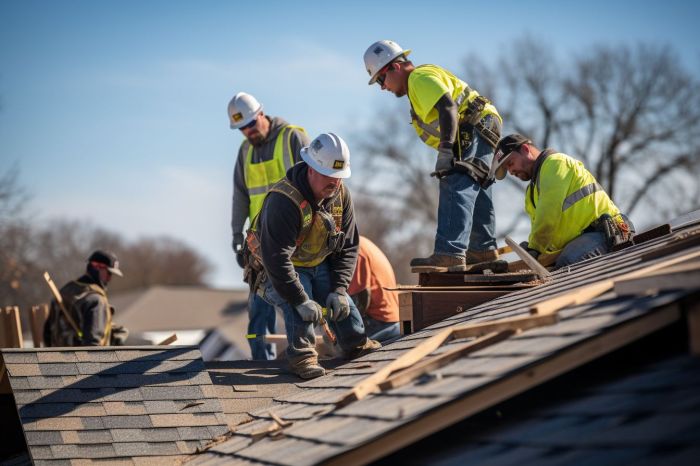
When it comes to replacing your roof, hiring professional contractors is crucial for ensuring a successful and long-lasting result. Here are some key reasons why hiring professionals is important:
Advantages of Hiring Professionals
- Professional expertise: Roof replacement contractors have the necessary skills and experience to handle the complexities of a roof replacement project efficiently.
- Quality workmanship: Professionals use high-quality materials and follow industry best practices to deliver a durable and well-constructed roof.
- Warranty coverage: Most professional contractors offer warranties on their work, providing you with added protection and peace of mind.
Examples of Problems from DIY Roof Replacements
- Improper installation: DIY roof replacements can lead to improper installation of materials, causing leaks and structural damage.
- Safety risks: Working on a roof without proper training and safety equipment can result in accidents and injuries.
- Lack of expertise: DIYers may lack the knowledge and skills required to identify and address underlying issues during the replacement process.
Factors to Consider When Choosing Roof Replacement Contractors
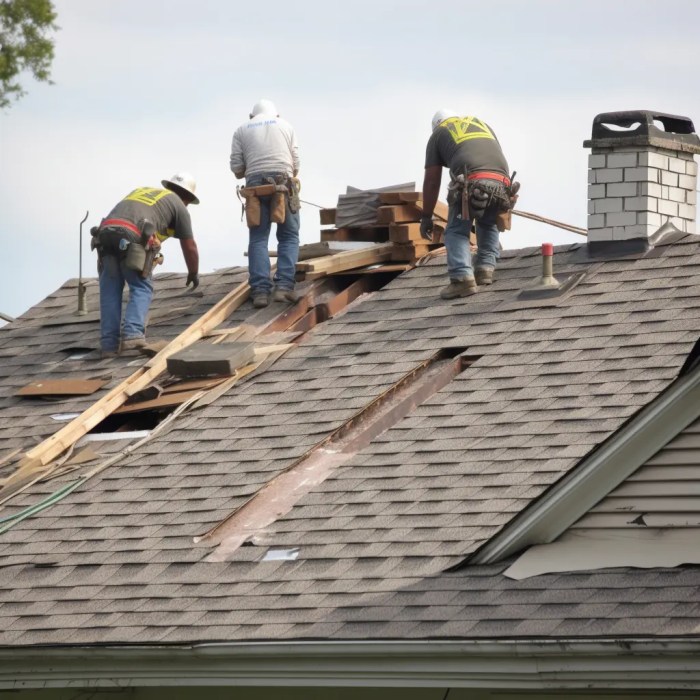
When it comes to choosing the right roof replacement contractor, there are several important factors to keep in mind. From experience to warranties, each aspect plays a crucial role in ensuring a successful and satisfactory outcome for your roofing project.
Experience
It is essential to consider the experience of the roof replacement contractor you are hiring. Look for contractors who have a proven track record in the industry and have successfully completed similar projects in the past. Experienced contractors are more likely to deliver high-quality work and handle any potential challenges that may arise during the project.
Licensing and Insurance
Always make sure that the roof replacement contractor you choose is properly licensed and insured. Licensing ensures that the contractor meets the necessary requirements to operate in your area, while insurance provides protection in case of any accidents or damages during the project.
Verify the contractor's credentials before making a decision to avoid any potential legal or financial issues down the line.
Warranties
Another critical factor to consider is the warranties offered by the roof replacement contractor. A reputable contractor should provide warranties for both their workmanship and the materials used in the project. Warranties offer peace of mind and ensure that you are covered in case of any issues with your new roof after the installation is complete.
Obtaining Multiple Quotes
It is also important to get multiple quotes from different roof replacement contractors before making a decision. Comparing quotes will help you understand the range of prices and services offered by different contractors, allowing you to choose the one that best fits your budget and requirements.
Research and Vetting
Before hiring a roof replacement contractor, take the time to research and vet potential candidates. Look for reviews and testimonials from previous customers, check the contractor's reputation with organizations like the Better Business Bureau, and ask for references to verify their work quality.
By doing your due diligence, you can ensure that you are hiring a reliable and professional contractor for your roof replacement project.
Types of Roofing Materials and Their Impact on Replacement
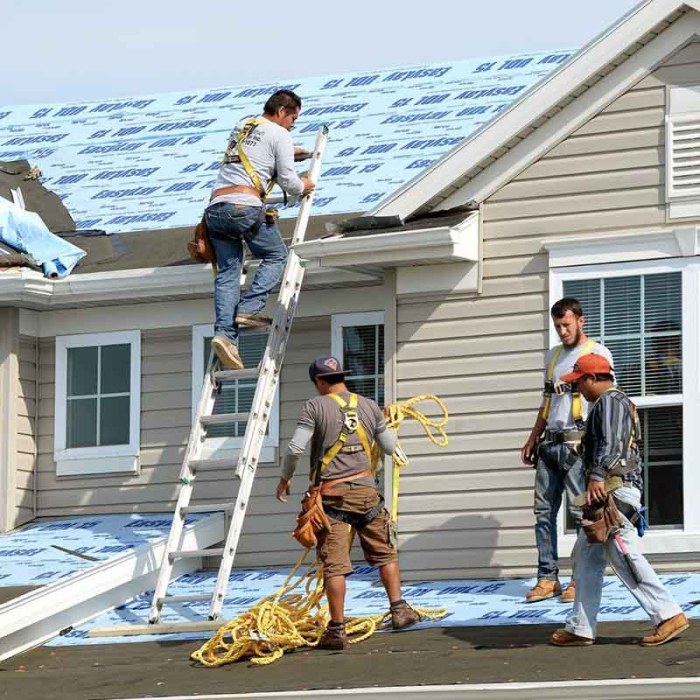
When it comes to roof replacement, the choice of roofing material plays a crucial role in determining the overall durability, cost, and maintenance requirements of the new roof. Different roofing materials have varying impacts on the replacement process, so it's important to understand the characteristics of each type before making a decision.
Asphalt Shingles
Asphalt shingles are one of the most popular roofing materials due to their affordability and ease of installation. They come in a variety of colors and styles, making them a versatile option for homeowners. However, asphalt shingles have a shorter lifespan compared to other materials and may require more frequent replacement over time.
Metal Roofing
Metal roofing is known for its durability and longevity, making it a cost-effective option in the long run. While metal roofs can be more expensive upfront, they require minimal maintenance and can last for several decades. The lightweight nature of metal roofing also makes it easier to install and replace when necessary.
Tile Roofing
Tile roofing is a popular choice for homeowners looking for a more aesthetically pleasing option. While tile roofs can be more expensive than asphalt shingles or metal roofing, they have a longer lifespan and require little maintenance. However, the weight of tile roofing can make replacement more labor-intensive and costly.
Slate Roofing
Slate roofing is known for its beauty and durability, with some slate roofs lasting over a century. While slate roofing is one of the most expensive options, it requires minimal maintenance and is resistant to fire and rot. The heavy weight of slate roofing can make replacement a more complex and costly process.
Steps Involved in the Roof Replacement Process
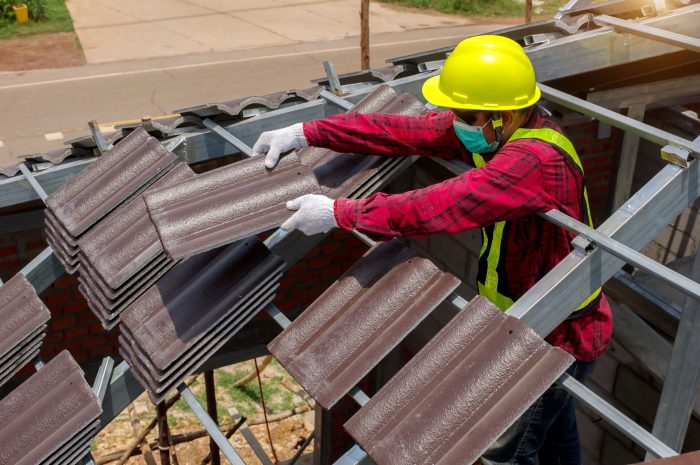
When it comes to a roof replacement project, there are several important steps that need to be followed to ensure the process goes smoothly and the new roof is installed correctly.Proper Inspection and Preparation:Before starting the replacement, it is crucial for professional roof replacement contractors to conduct a thorough inspection of the existing roof.
This inspection helps identify any underlying issues that need to be addressed before the replacement can begin. Additionally, proper preparation of the site, such as removing old roofing materials and ensuring the roof deck is in good condition, is essential for a successful replacement.
Debris Removal and Clean-Up
After the replacement is complete, contractors are responsible for handling debris removal and clean-up to ensure the property is left in pristine condition.
- Contractors will remove all old roofing materials, such as shingles, underlayment, and flashing, from the site.
- Any debris generated during the replacement process, including nails and other materials, will be carefully cleaned up to prevent any safety hazards or damage to the property.
- Professional contractors will dispose of the debris in an environmentally-friendly manner, following local regulations and guidelines.
Wrap-Up
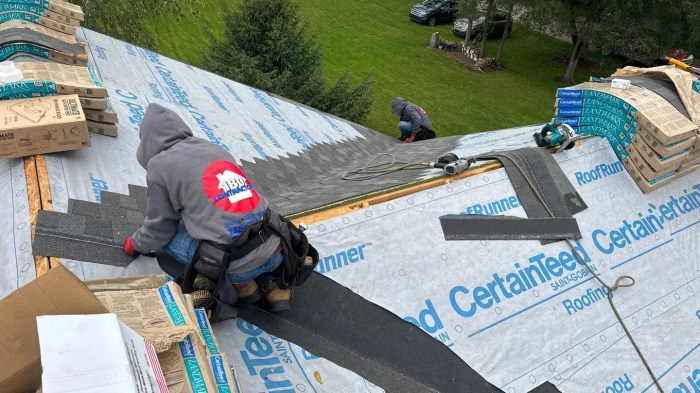
In conclusion, selecting the right roof replacement contractor is crucial for a successful project. By understanding the importance of hiring professionals, considering key factors in the selection process, knowing the different roofing materials available, and being aware of the steps involved, you can ensure a smooth and efficient roof replacement process.
Questions Often Asked
How important is it to hire professional roof replacement contractors?
Professional contractors ensure quality workmanship, expertise, and adherence to safety standards, ultimately leading to a successful roof replacement.
What factors should be considered when choosing roof replacement contractors?
Experience, licensing, insurance coverage, warranties, and the ability to provide multiple quotes are key factors to consider.
What are the common types of roofing materials used in replacement projects?
Common materials include asphalt shingles, metal, tile, and slate, each with varying durability, cost, and maintenance requirements.
What are the typical steps involved in the roof replacement process?
The process usually includes inspection, preparation, installation, and post-replacement clean-up to ensure a successful project.