
Exploring the realm of metal roof installation cost unveils a plethora of factors that impact the overall expenses. From the size of the roof to the type of metal material used, each element plays a crucial role in determining the final cost.
Let's delve deeper into this intricate world of roofing expenses.
When it comes to installing a metal roof, there are various components that contribute to the overall cost. This guide aims to shed light on these elements, providing valuable insights for anyone considering this type of roofing solution.
Factors influencing metal roof installation cost
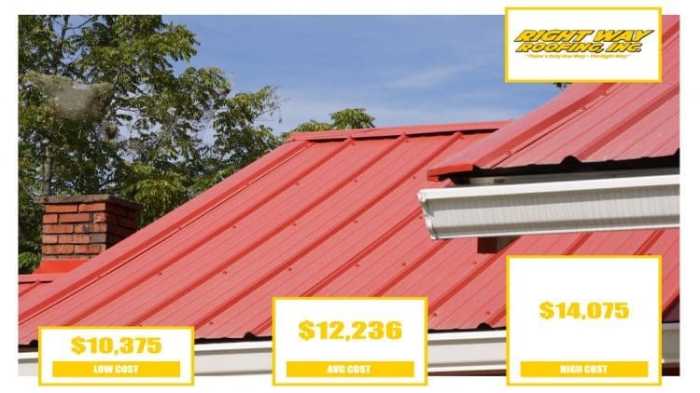
Metal roof installation costs can vary depending on several factors that impact the overall price. Understanding these key influencers can help homeowners make informed decisions when considering a metal roof for their property.
Roof size
The size of the roof is a significant factor in determining the cost of metal roof installation. Larger roofs require more materials and labor to complete the installation process, which can drive up the overall cost. Additionally, the complexity of the roof's size and shape can also affect installation expenses.
Type of metal material
The type of metal material chosen for the roof can greatly influence the overall cost of installation. Different metals come at varying price points, with premium metals costing more than standard options. Factors such as durability, longevity, and aesthetics can also impact the choice of metal material and, consequently, the installation cost.
Roof complexity and design
Roof complexity and design play a crucial role in determining the installation expenses for a metal roof. Intricate designs, multiple angles, valleys, and dormers can increase the labor and time required for installation, ultimately affecting the total cost. Simple, straightforward roof designs may be more cost-effective to install.
Labor costs
Labor costs are a significant component of the total cost of metal roof installation. Skilled labor is essential for proper installation, and labor costs can vary based on factors such as location, experience of the roofing crew, and the complexity of the project.
Investing in quality labor can ensure a successful and long-lasting metal roof installation.
Average cost breakdown of metal roof installation
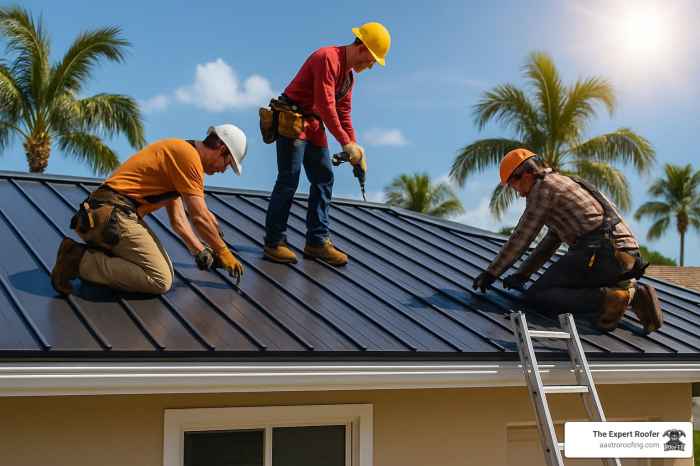
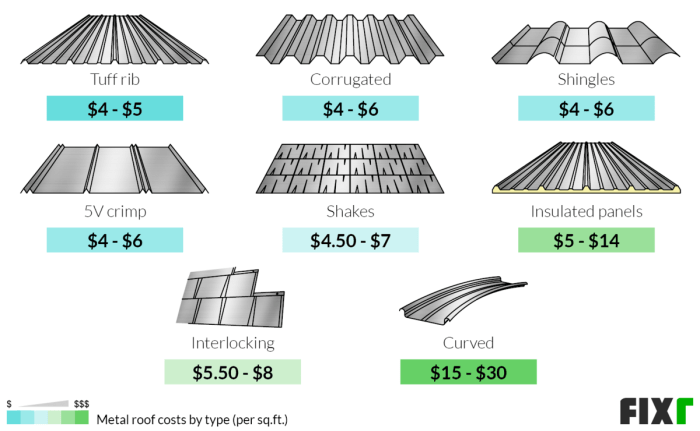
Metal roof installation costs can vary depending on various factors such as the type of metal used, the size of the roof, and additional features like underlayment and flashing. Here is a breakdown of the average costs involved in installing a metal roof:
Material Costs
- Steel: The average cost of steel roofing material is around $5 to $12 per square foot.
- Aluminum: Aluminum roofing material costs range from $7 to $15 per square foot.
- Copper: Copper roofing material is the most expensive, with costs typically between $15 to $30 per square foot.
Labor Costs
- On average, labor costs for installing a metal roof can range from $3 to $7 per square foot.
Permit Costs
- Permit costs for metal roof installation can vary depending on location, but typically range from $100 to $500.
Additional Expenses
- Underlayment: Costs for underlayment materials can range from $0.50 to $1 per square foot.
- Flashing: Flashing installation costs can add around $200 to $500 to the total cost.
- Trim: Trim costs can range from $1 to $3 per linear foot.
Cost-saving tips for metal roof installation
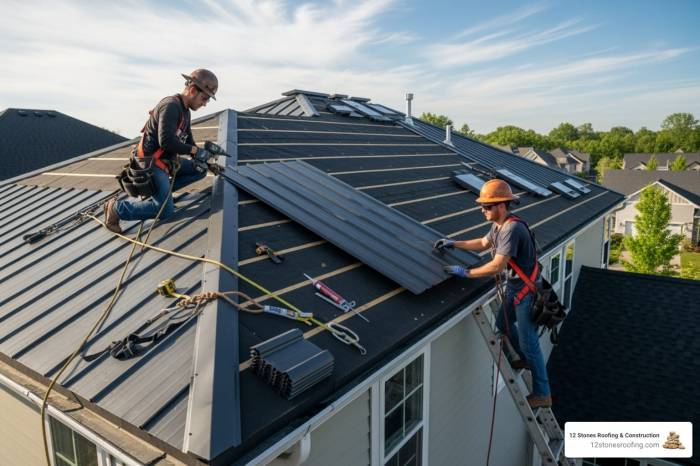
When it comes to installing a metal roof, there are several strategies you can implement to reduce costs without sacrificing quality. Whether you choose to go the DIY route or hire professionals, and how you maintain your roof in the long run, can all impact the overall expenses.
Let's explore some cost-saving tips for metal roof installation:
Consider DIY Installation
If you have some experience with roofing and feel confident in your abilities, opting for a DIY installation can save you a significant amount of money. However, it's crucial to ensure that you have the necessary tools, equipment, and knowledge to complete the job safely and effectively.
Keep in mind that improper installation can lead to costly repairs down the road, so proceed with caution.
Hire Professionals Wisely
While hiring professionals may come with a higher upfront cost, it can save you money in the long term by ensuring that the installation is done correctly. Look for reputable roofing contractors with a track record of quality work and get multiple quotes to compare prices.
Remember, investing in skilled labor can prevent future issues that may end up costing you more.
Regular Maintenance is Key
Proper maintenance is essential for extending the lifespan of your metal roof and avoiding costly repairs. Schedule regular inspections to catch any issues early on, such as loose screws or damaged panels. Clearing debris, checking for leaks, and addressing minor repairs promptly can help prevent larger, more expensive problems in the future.
Comparison of metal roof installation costs with other roofing materials
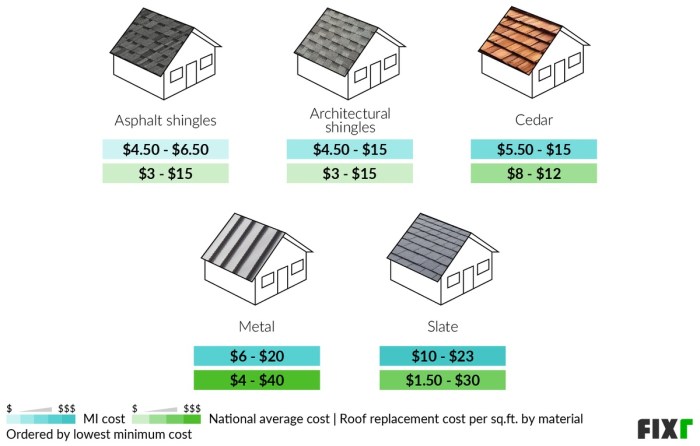
Metal roofs are often compared to other roofing materials like asphalt, tile, and wood shingles in terms of installation costs. While metal roofs tend to have a higher upfront cost, they offer several long-term benefits that make them a cost-effective choice in the grand scheme of things.
Contrast with other roofing materials
When comparing the installation costs of metal roofs with traditional materials like asphalt, tile, and wood shingles, metal roofs typically have a higher upfront cost. However, metal roofs are known for their durability and longevity, requiring less maintenance and repair over time.
This can result in cost savings in the long run.
Long-term cost-effectiveness
Metal roofs may have a higher initial installation cost compared to asphalt, tile, and wood shingles, but their longevity and durability make them a cost-effective choice in the long term. Metal roofs can last 50 years or more, while traditional roofing materials may need to be replaced more frequently.
This longevity can result in savings on maintenance, repairs, and replacement costs over time.
Environmental impact and cost considerations
Metal roofs are considered to be more environmentally friendly compared to traditional roofing materials. Metal roofs are often made from recycled materials and are fully recyclable at the end of their lifespan. Additionally, metal roofs are energy-efficient, reflecting heat and reducing the need for air conditioning.
While the initial cost of metal roof installation may be higher, the long-term energy savings and environmental benefits can make them a cost-effective and sustainable choice for homeowners.
Closing Summary
In conclusion, understanding the nuances of metal roof installation cost is essential for making informed decisions about your roofing needs. By considering the factors discussed and exploring cost-saving tips, you can navigate the expenses associated with metal roof installation more effectively.
Take this knowledge with you as you embark on your roofing journey.
Clarifying Questions
How does roof size affect metal roof installation cost?
The larger the roof, the more materials and labor are required, leading to higher installation costs.
What role does labor cost play in determining the total cost of metal roof installation?
Labor costs are a significant factor, as skilled labor is needed for proper installation, impacting the overall expenses.
Are there cost-saving tips for metal roof installation?
Yes, strategies such as proper maintenance and DIY installation can help reduce costs without compromising quality.
How do the costs of metal roofs compare to other roofing materials?
Metal roofs may have higher upfront costs but offer long-term cost-effectiveness and durability compared to traditional materials like asphalt or wood.