
Delve into the world of residential metal roofing companies with this comprehensive guide that offers insights into different types of metal roofing, the installation process, benefits, cost considerations, maintenance, and more. This opening passage sets the stage for an informative and engaging exploration of the topic.
Types of Residential Metal Roofing
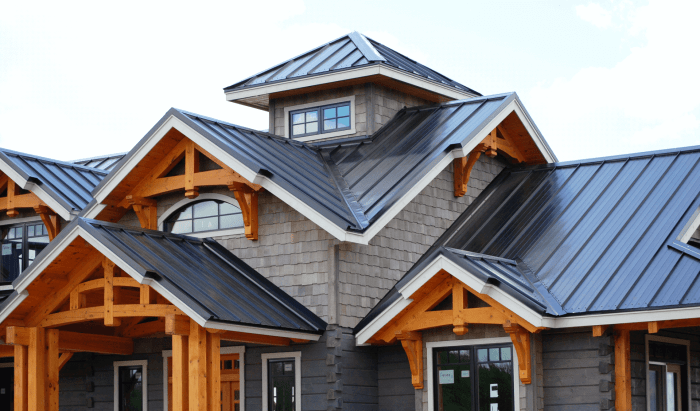
Metal roofing is a popular choice for residential properties due to its durability, longevity, and energy efficiency. There are several types of metal roofing options available, each with its own unique features, benefits, and drawbacks.
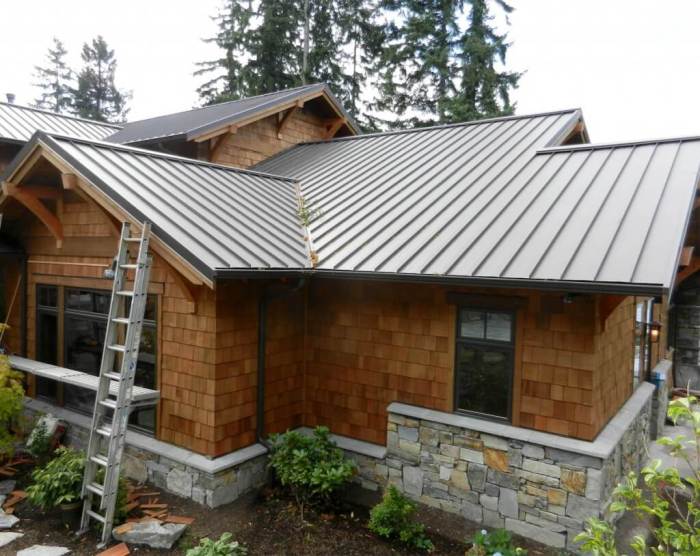
1. Standing Seam Metal Roofing
Standing seam metal roofing is known for its vertical panels with raised seams that interlock together. This type of roofing is highly durable, resistant to leaks, and provides a modern, sleek look for homes. However, installation can be more complex and costly compared to other metal roofing options.
2. Metal Shingle Roofing
Metal shingle roofing is designed to mimic the appearance of traditional shingles, offering a more classic look while still providing the benefits of metal roofing. These shingles are lightweight, easy to install, and come in a variety of colors and styles.
However, they may be more prone to denting compared to other metal roofing materials.
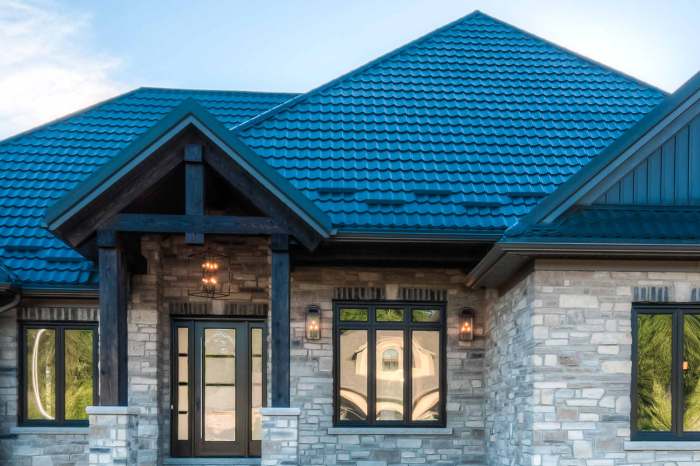
3. Metal Tile Roofing
Metal tile roofing offers the aesthetic appeal of traditional clay or concrete tiles but with the added durability and longevity of metal. These tiles are available in various profiles and colors, providing homeowners with a wide range of design options.
While metal tiles are durable and low maintenance, they can be heavier and more expensive than other metal roofing options.
4. Corrugated Metal Roofing
Corrugated metal roofing consists of sheets with alternating ridges and valleys, creating a distinctive look that is commonly used in industrial and agricultural buildings. This type of roofing is lightweight, easy to install, and cost-effective. However, corrugated metal roofing may not be as energy efficient as other types of metal roofing.
5. Metal Shake Roofing
Metal shake roofing replicates the appearance of traditional wood shakes but with the added benefits of metal, such as fire resistance and durability. These panels are often made from recycled materials and are available in various colors and textures. While metal shake roofing is low maintenance and long-lasting, it may be more expensive than other roofing materials.
Installation Process
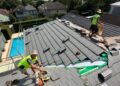
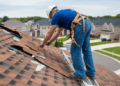
When it comes to installing a residential metal roof, there are several key steps involved to ensure a successful and long-lasting result. From preparing the roof surface to securing the metal panels, each step plays a crucial role in the overall installation process.
Tools and Equipment Needed
- Roofing Nailer: Used to secure the metal panels to the roof deck.
- Tin Snips: Essential for cutting metal panels to the required size and shape.
- Safety Harness: Ensures the safety of the workers during installation on steep roofs.
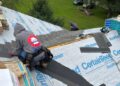
- Roofing Underlayment: Acts as a protective barrier between the metal panels and the roof deck.
- Screw Gun: Used to fasten screws to secure the metal panels in place.
Special Considerations and Challenges
Metal roofing installation comes with its own set of considerations and challenges compared to traditional roofing materials. One of the main challenges is ensuring proper insulation and ventilation under the metal roof to prevent condensation and moisture buildup. Additionally, metal roofs can be noisy during rainstorms, so proper insulation and noise reduction measures may need to be taken.
It is also important to consider expansion and contraction of metal panels due to temperature changes, which can affect the overall integrity of the roof if not addressed properly.
Benefits of Residential Metal Roofing
Metal roofing offers numerous benefits for residential properties, making it a popular choice for homeowners looking for durability, energy efficiency, and environmental sustainability in their roofing materials.
Longevity and Durability
Metal roofing is known for its longevity and durability, lasting up to 50 years or more with proper maintenance. This means homeowners can enjoy peace of mind knowing that their roof will withstand harsh weather conditions and provide protection for many years to come.
Energy Efficiency
Metal roofing can help improve energy efficiency in homes by reflecting solar heat, reducing the need for air conditioning during hot summer months. This can lead to lower energy bills and a more comfortable living environment for homeowners.
Environmental Benefits
Using metal roofing materials is environmentally friendly as they are often made from recycled materials and can be recycled again at the end of their lifespan. This helps reduce the amount of waste in landfills and promotes sustainability in the construction industry.
Cost Considerations
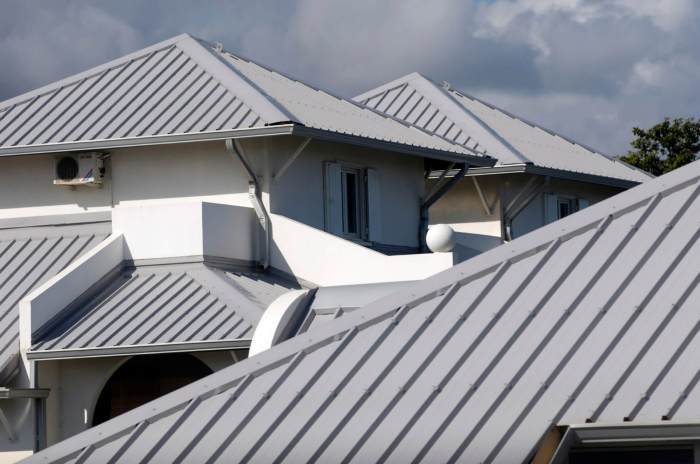
Metal roofing for residential properties can be a significant investment, but it also comes with various cost considerations that make it a worthwhile choice for many homeowners. In this section, we will break down the cost factors involved in installing a residential metal roof, compare the initial cost of metal roofing to traditional materials, and explore the potential long-term cost savings associated with choosing metal roofing.
Cost Factors in Installing a Residential Metal Roof
When considering the cost of installing a residential metal roof, several factors come into play. These include the size and complexity of the roof, the type of metal material chosen, the quality of installation, and any additional features such as insulation or coatings.
Labor costs and the current market prices for metal roofing materials also contribute to the overall cost.
Comparison of Initial Cost with Traditional Roofing Materials
While the initial cost of installing a metal roof may be higher than traditional roofing materials such as asphalt shingles or wood shakes, the long-term benefits often outweigh the upfront investment. Metal roofs are known for their durability and longevity, requiring less frequent repairs and replacements compared to other materials.
This can result in cost savings over time, as homeowners avoid the need for frequent maintenance and repairs.
Long-Term Cost Savings with Metal Roofing
One of the key advantages of choosing a metal roof for your home is the potential long-term cost savings it offers. Metal roofs are highly resistant to weather damage, fire, and pests, which can help reduce the need for costly repairs or replacements down the line.
Additionally, metal roofs are energy-efficient, reflecting heat and reducing cooling costs during hot summer months. These energy savings can add up over time, making metal roofing a cost-effective choice for many homeowners.
Maintenance and Care
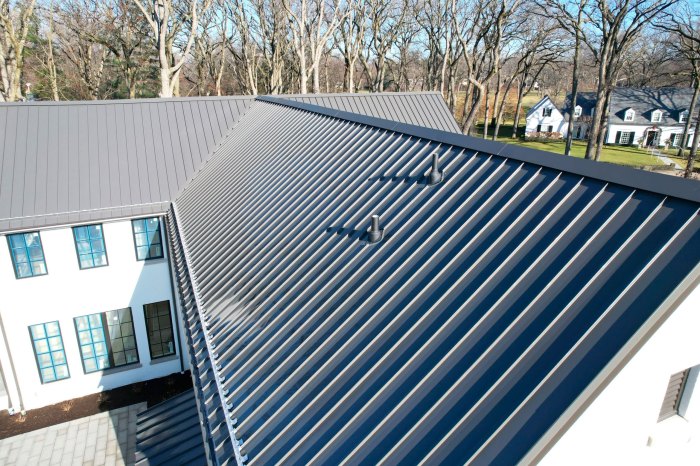
Metal roofs are known for their durability and longevity, but proper maintenance is still essential to ensure they last as long as possible. Here are some tips to help homeowners take care of their residential metal roofs and address common issues that may arise.
Maintenance Requirements
- Regular Inspections: Schedule routine inspections to check for any damage or signs of wear and tear.
- Cleaning: Keep the roof clean from debris and dirt to prevent any build-up that could lead to corrosion.
- Gutter Maintenance: Ensure gutters are clear of debris to prevent water from backing up and causing damage to the roof.
Tips for Prolonging Lifespan
- Trim Overhanging Branches: Prevent branches from rubbing against the roof and causing scratches or other damage.
- Address Repairs Promptly: If you notice any issues during inspections, address them promptly to prevent further damage.
- Apply Protective Coatings: Consider applying protective coatings to enhance the durability of the metal roof.
Common Issues and Solutions
- Corrosion: Regularly inspect for signs of corrosion and address any areas with rust promptly by cleaning and applying a protective coating.
- Loose Fasteners: Check for loose fasteners during inspections and tighten them to prevent leaks and other issues.
- Denting: While metal roofs are durable, they can still dent from severe weather or impact. Consider professional repairs to address any dents.
Concluding Remarks
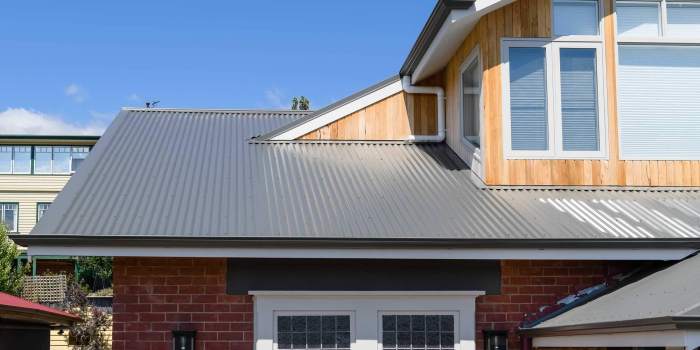
In conclusion, residential metal roofing companies offer a durable, energy-efficient, and environmentally friendly roofing solution for homeowners. By understanding the various aspects discussed in this guide, you can make informed decisions when it comes to choosing the right metal roofing for your residential property.
Q&A
What are the different types of residential metal roofing?
There are various options like aluminum, steel, copper, and zinc roofs, each with unique features and benefits.
What tools are needed for installing a residential metal roof?
Common tools include a drill, screws, flashing, underlayment, and safety gear.
How does metal roofing compare in cost to traditional materials?
Metal roofing can have a higher initial cost but offers long-term savings due to its durability.
What maintenance is required for residential metal roofs?
Regular inspections, cleaning debris, and addressing any damage promptly can help prolong the roof's lifespan.
What are some common issues with metal roofing and how to address them?
Issues like leaks or rust can be mitigated with proper installation and timely repairs by professionals.