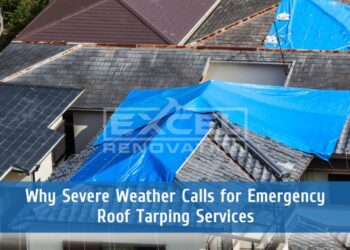

In the realm of commercial property maintenance, addressing roof leaks promptly is crucial for preserving the integrity of the building. This guide delves into the intricacies of commercial roof leak repair, shedding light on common causes, detection methods, repair steps, and preventive measures.
Join us on this enlightening journey to safeguard your commercial property from the perils of roof leaks.
What is Commercial Roof Leak Repair?
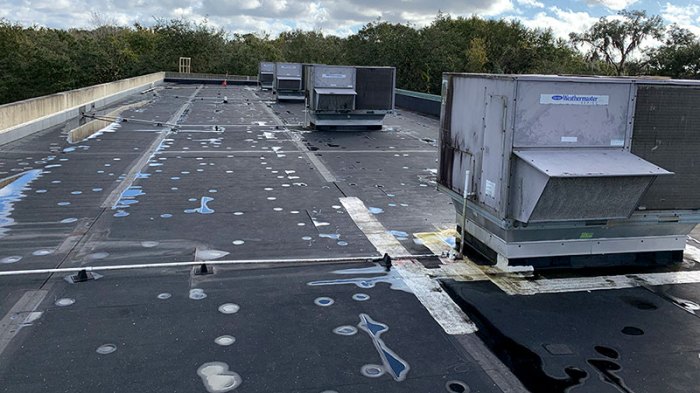
Commercial roof leak repair involves fixing any damages or issues on the roofs of commercial buildings to prevent water from seeping through and causing further damage to the interior of the building.
Common Causes of Commercial Roof Leaks
- Weathering and aging of the roofing materials
- Poor installation or maintenance
- Damage from debris or fallen tree branches
- Clogged or damaged gutters and downspouts
- Improper sealing around vents, skylights, or chimneys
Importance of Timely Repair for Commercial Roofs
Roof leaks can lead to serious structural damage, mold growth, and health hazards if left untreated. Timely repair can prevent these issues and extend the lifespan of the roof, saving money on costly replacements in the long run.
Potential Risks of Ignoring Roof Leaks in Commercial Buildings
- Structural damage to the building
- Mold growth, which can pose health risks to occupants
- Deterioration of insulation and electrical systems
- Decreased energy efficiency and increased utility costs
Signs Indicating the Need for Commercial Roof Leak Repair
- Water stains on ceilings or walls
- Dripping water or puddles on the floor
- Musty odors or visible mold growth
- Sagging or bulging areas on the ceiling
- Increased energy bills due to poor insulation
Methods for Detecting Roof Leaks in Commercial Buildings
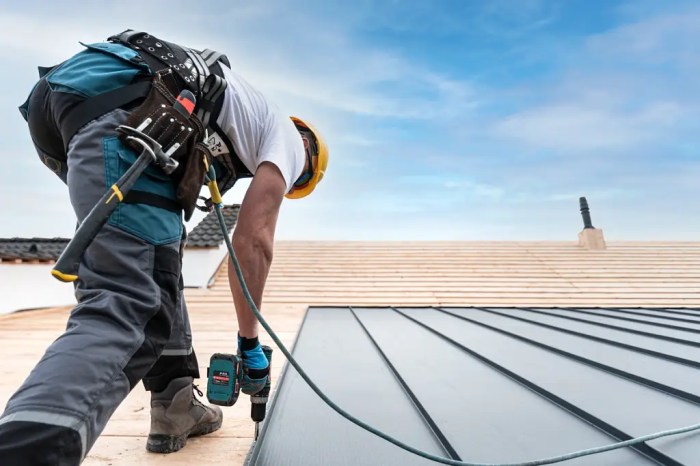
Detecting roof leaks in commercial buildings is crucial to prevent water damage and maintain the structural integrity of the property. Various methods are used to identify roof leaks, ranging from traditional visual inspections to advanced technologies like infrared scanning.
Professional Inspections
Professional inspections play a vital role in detecting roof leaks in commercial buildings. Experienced roofing contractors can conduct thorough assessments of the roof, looking for signs of damage, deterioration, or potential leak points. These inspections often include a detailed evaluation of the roof's condition, flashing, seams, and drainage systems.
Visual Inspections
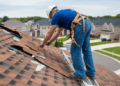
Visual inspections involve physically examining the roof for any visible signs of damage or water infiltration. Roofing professionals look for missing or damaged shingles, cracks, gaps, or areas where water may be pooling. While visual inspections are a useful first step, they may not always reveal hidden leaks or damage.
Infrared Scanning
Infrared scanning is a modern technology used to detect roof leaks by capturing temperature variances in the roofing system. This non-invasive method can identify moisture trapped beneath the roof surface, pinpointing areas of potential leaks without causing any damage to the roof itself.
By detecting thermal irregularities, infrared scanning can help identify leaks that are not visible during a visual inspection.
Weather Conditions Impact
Weather conditions can significantly impact the detection of roof leaks in commercial buildings. Heavy rain, snow, or wind can exacerbate existing leaks, making them more noticeable. On the other hand, extreme heat or prolonged sunlight exposure can cause roofing materials to expand and contract, leading to potential vulnerabilities and leaks over time.
It is essential to consider the weather conditions when assessing and detecting roof leaks to ensure an accurate diagnosis and timely repairs.
Steps Involved in Repairing Commercial Roof Leaks
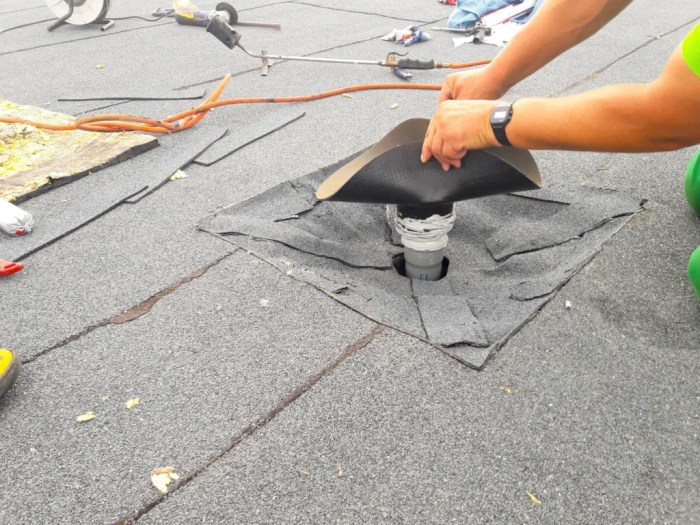
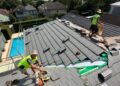
When it comes to repairing roof leaks in commercial buildings, there is a typical process that involves certain steps and considerations to ensure the job is done effectively and safely.
Materials and Tools Required
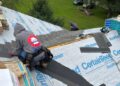
- Roofing materials such as shingles, flashing, and sealant
- Tools like hammers, nails, roofing cement, and a ladder
- Safety equipment such as harnesses, gloves, and goggles
Importance of Safety Measures
- Always use proper safety equipment to prevent accidents and injuries
- Ensure the work area is clear of debris and obstacles
- Follow safety protocols when working at heights to minimize risks
Tips for Choosing a Contractor
- Research and verify the contractor's credentials and reputation
- Check for insurance and licensing to protect yourself from liability
- Get multiple quotes and compare services before making a decision
- Read reviews and ask for references from previous clients
Preventive Measures to Avoid Commercial Roof Leaks
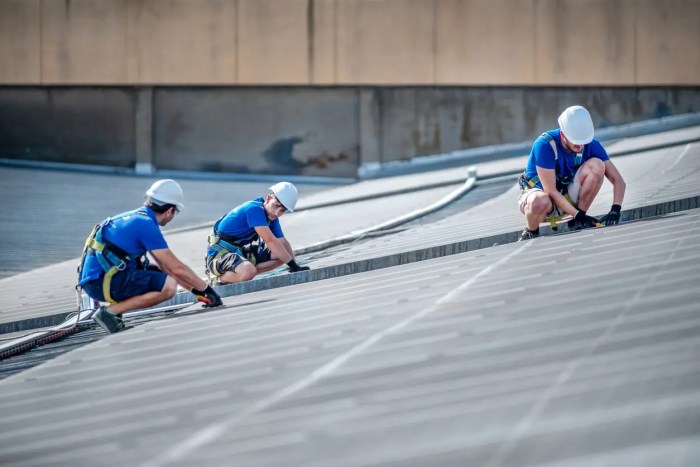
Regular maintenance and proactive strategies are key in preventing commercial roof leaks. By implementing preventive measures, businesses can avoid costly repairs and potential damage to their property.
Role of Regular Inspections
Regular inspections play a crucial role in identifying potential issues before they escalate into major problems. By conducting routine checks, property owners can catch small leaks or damage early on and address them promptly. This proactive approach helps in maintaining the integrity of the roof and preventing leaks from developing.
Proactive Maintenance Strategies
- Implementing a regular maintenance schedule to inspect and address any issues promptly.
- Keeping gutters and drains clean to ensure proper water flow and prevent water buildup on the roof.
- Trimming trees and vegetation near the roof to prevent damage from branches or debris.
- Checking for signs of wear and tear on the roof surface and addressing them before they lead to leaks.
Importance of Proper Drainage and Ventilation
Proper drainage systems and ventilation are essential in preventing roof leaks. A well-designed drainage system ensures that water flows away from the roof efficiently, reducing the risk of water pooling and causing leaks. Adequate ventilation helps in maintaining the temperature and moisture levels in the roof structure, preventing condensation and mold growth that can lead to leaks.
Last Point
As we conclude this insightful guide on commercial roof leak repair, remember that proactive maintenance and timely repairs are key to ensuring the longevity of your commercial building. By staying vigilant and taking necessary precautions, you can prevent costly damage and uphold the structural integrity of your property.
Here's to a leak-free future for your commercial roof!
Key Questions Answered
What are the common causes of commercial roof leaks?
Commercial roof leaks can be caused by factors such as poor installation, aging materials, lack of maintenance, and extreme weather conditions.
How can I identify the need for commercial roof leak repair?
Look out for signs like water stains on ceilings, dampness or mold growth on walls, and visible damage to the roof surface.
What materials and tools are required for repairing commercial roof leaks?
Materials may include roofing sealant, flashing, and replacement shingles, while tools like caulking guns, hammers, and ladders are commonly used.
Why is preventive maintenance important in avoiding commercial roof leaks?
Regular inspections and maintenance help identify minor issues before they escalate, ensuring that your roof remains in good condition and less prone to leaks.