
Exploring the process of roof installation for office buildings, this guide delves into the crucial steps involved in planning, material selection, installation process, and maintenance. Whether you're a building owner, contractor, or simply curious about roofing, this article aims to provide valuable insights and practical tips for a successful project.
Planning for Roof Installation
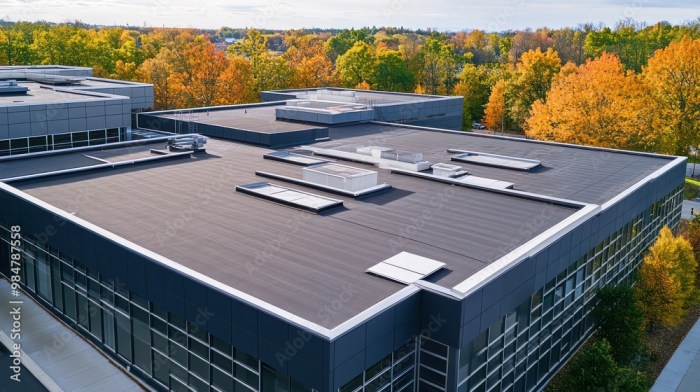
When planning for a roof installation project for office buildings, there are several crucial steps that need to be taken to ensure a successful outcome. One of the initial steps is to conduct a thorough inspection of the existing roof to assess its condition and identify any issues that need to be addressed before installation.
Importance of Inspecting Existing Roof
- Inspecting the existing roof allows for the identification of any damage or weaknesses that could affect the new roof installation.
- It helps in determining if any repairs or reinforcements are needed to ensure the new roof will be properly supported.
- By conducting a thorough inspection, potential problems can be addressed proactively, reducing the risk of issues arising after installation.
Assessing Structural Integrity of the Building
- Assessing the structural integrity of the building is essential to determine the type of roof that is suitable for installation.
- Factors such as the building's age, materials used in construction, and any previous renovations need to be considered.
- Consulting with a structural engineer can help in evaluating the building's ability to support the weight and design of the new roof.
Material Selection
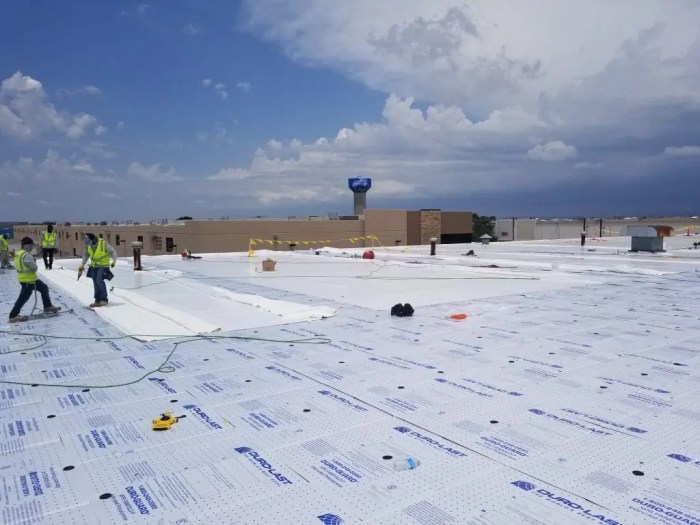
When it comes to selecting roofing materials for office buildings, it is essential to consider various factors such as climate, durability, and cost-effectiveness. Different materials offer unique benefits and drawbacks, so choosing the most appropriate one is crucial for the longevity and efficiency of the roof.
Asphalt Shingles
Asphalt shingles are a popular choice for office buildings due to their affordability and ease of installation. They come in a variety of colors and styles, making them versatile for different architectural designs. However, asphalt shingles may not be the most durable option, especially in areas prone to extreme weather conditions.
Metal Roofing
Metal roofing is known for its longevity and durability, making it a great option for office buildings looking for a long-term solution. Metal roofs are resistant to fire, mildew, and insects, providing excellent protection. However, metal roofing can be more expensive upfront compared to other materials.
EPDM
EPDM (ethylene propylene diene terpolymer) is a synthetic rubber roofing membrane that is lightweight and cost-effective. It offers excellent resistance to UV rays and weathering, making it a suitable choice for office buildings in sunny climates. However, EPDM may not be the most aesthetically pleasing option and can be prone to punctures if not properly maintained.
TPO
Thermoplastic Polyolefin (TPO) roofing is a popular choice for office buildings due to its energy efficiency and reflective properties. TPO roofs are resistant to chemicals, tears, and punctures, making them a durable option. However, TPO roofing may be more expensive than other materials like EPDM.
Roof Installation Process
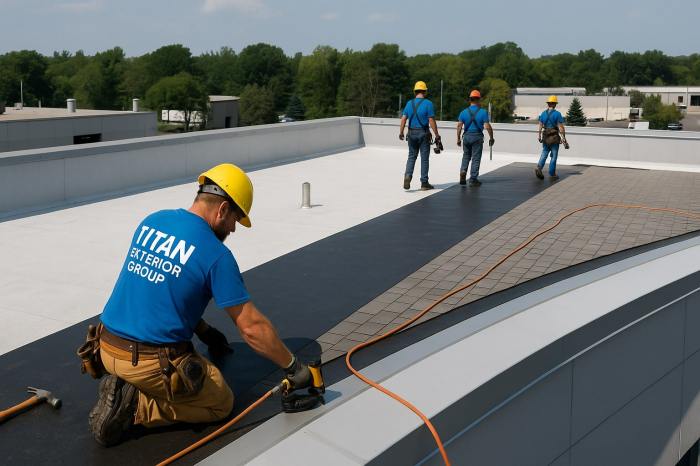
In the process of installing a new roof on an office building, several professionals play crucial roles to ensure a successful and safe project. From roofers to contractors and inspectors, each individual contributes to the overall process. It is essential to follow building codes and safety regulations to guarantee the quality and longevity of the roof installation.
Role of Roofers
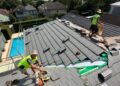
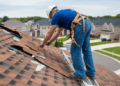
Roofers are responsible for the actual installation of the roof. They work with various materials such as shingles, tiles, or metal sheets to cover the building's structure adequately. Roofers need to have the necessary skills and experience to ensure the roof is installed correctly and effectively.
Role of Contractors
Contractors oversee the entire roof installation project. They coordinate with the different professionals involved, manage the timeline and budget, and ensure that the work meets the required standards. Contractors play a crucial role in the successful completion of the project.
Role of Inspectors
Inspectors are responsible for checking the quality of the roof installation and ensuring that it complies with building codes and safety regulations. They conduct thorough inspections at various stages of the project to identify any potential issues and ensure that the roof is safe and structurally sound.
Ensuring Compliance with Building Codes and Safety Regulations
- Regular inspections by qualified professionals can help identify and address any issues early in the installation process.
- Using high-quality materials that meet industry standards can ensure the longevity and durability of the roof.
- Following manufacturer guidelines for installation can help prevent issues and ensure the roof's performance.
- Adhering to local building codes and regulations is essential to avoid fines and penalties and ensure the safety of the building's occupants.
Maintenance and Longevity
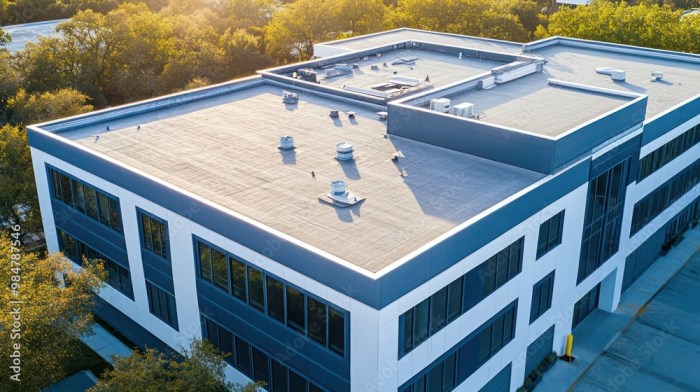
Regular maintenance is crucial for extending the lifespan of a roof installation in office buildings. By performing routine inspections, repairs, and cleaning, building owners can ensure the roof remains in optimal condition for years to come.
Importance of Regular Roof Maintenance
- Regular roof inspections help identify potential issues early on, preventing costly damages in the long run.
- Timely repairs can address small problems before they escalate into major issues, prolonging the roof's lifespan.
- Cleaning the roof from debris and dirt reduces the risk of clogged drains and ponding water, which can lead to leaks and structural damage.
Common Maintenance Tasks
- Roof Inspections: Schedule regular inspections by professionals to check for signs of damage or wear and tear.
- Repairs: Address any issues identified during inspections promptly to prevent further damage.
- Cleaning: Remove debris, leaves, and dirt from the roof surface to prevent water accumulation and potential leaks.
Strategies for Preventing Common Issues
- Leak Prevention: Ensure proper sealing of roof penetrations and seams to prevent water infiltration.
- Ponding Water Prevention: Improve drainage systems to prevent water from accumulating on the roof surface.
- Roof Damage Prevention: Avoid foot traffic on the roof, implement regular maintenance schedules, and address issues promptly to prevent damage.
Summary
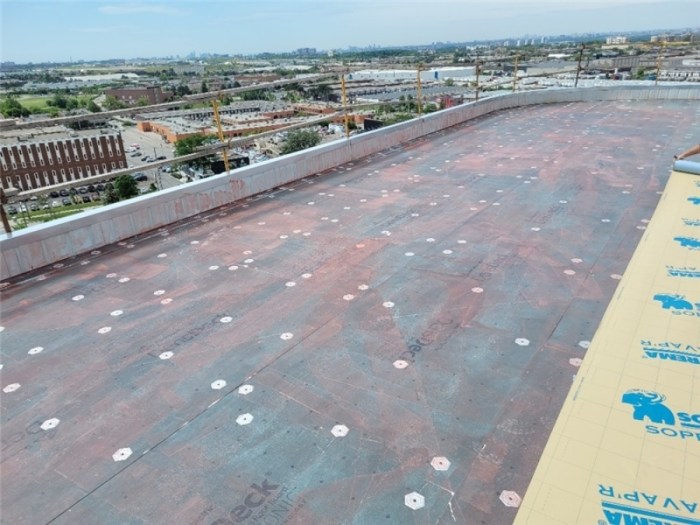
In conclusion, understanding the nuances of roof installation for office buildings is essential for ensuring the longevity and structural integrity of the building. By following the guidelines Artikeld in this guide, you can navigate the complexities of roof installation with confidence and expertise.
FAQ Summary
What are the initial steps involved in planning a roof installation project for office buildings?
The initial steps include assessing the existing roof, determining the structural integrity of the building, and selecting the appropriate roofing material.
How do you choose the most appropriate roofing material for an office building?
Factors such as climate, durability, and cost-effectiveness should be considered when choosing the roofing material.
What are some common maintenance tasks for prolonging the lifespan of a roof installation?
Regular roof inspections, repairs, and cleaning are essential for maintaining the longevity of a roof installation.
What are some strategies for preventing common issues like leaks and roof damage?
Proper maintenance, timely repairs, and adherence to building codes can help prevent common issues like leaks and roof damage.