
Exploring the realm of eco-friendly roof installation, this introduction delves into the environmental benefits, financial advantages, and energy-saving potential of implementing sustainable roofing materials. From reducing the urban heat island effect to enhancing the overall sustainability of buildings, eco-friendly roofs offer a promising solution for a greener future.
In addition, the different types of eco-friendly roofing materials, installation processes, and maintenance tips will be discussed in detail to provide a comprehensive understanding of this eco-conscious roofing approach.
Benefits of Eco-Friendly Roof Installation
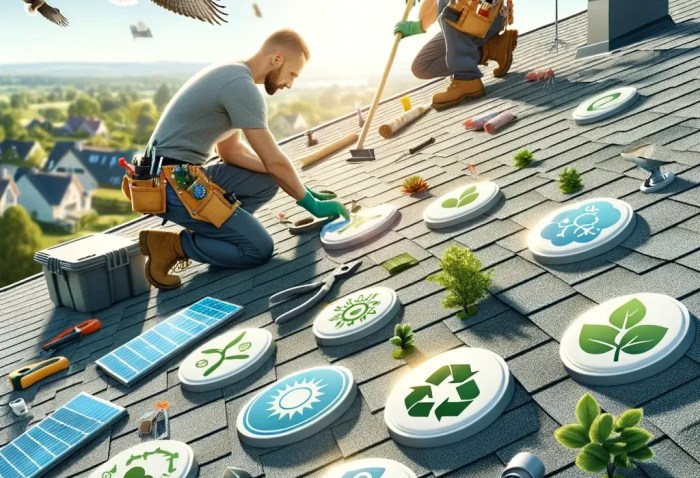
Installing an eco-friendly roof comes with a multitude of benefits that not only positively impact the environment but also offer practical advantages for building owners.
Environmental Advantages
- Eco-friendly roofing materials are typically made from recycled or sustainable resources, reducing the demand for new raw materials and lowering the carbon footprint of the building.
- These materials often have a longer lifespan than traditional roofs, leading to less frequent replacements and less waste being generated.
Energy Consumption Reduction
- Eco-friendly roofs, such as green roofs or cool roofs, provide better insulation and reflectivity, reducing the need for heating and cooling systems to work as hard.
- This can result in significant energy savings for building owners, leading to lower utility bills and decreased reliance on fossil fuels.
Financial Benefits
- While the initial cost of installing an eco-friendly roof may be higher, the long-term savings on energy bills and maintenance expenses can lead to a positive return on investment.
- Some cities and municipalities also offer incentives or tax credits for installing eco-friendly roofs, further offsetting the upfront costs.
Impact on Urban Heat Island Effect
- Eco-friendly roofs help mitigate the urban heat island effect by reducing heat absorption and lowering surface temperatures in urban areas.
- This can improve air quality, reduce energy demand for air conditioning, and create a more comfortable environment for residents and workers.
Types of Eco-Friendly Roofing Materials
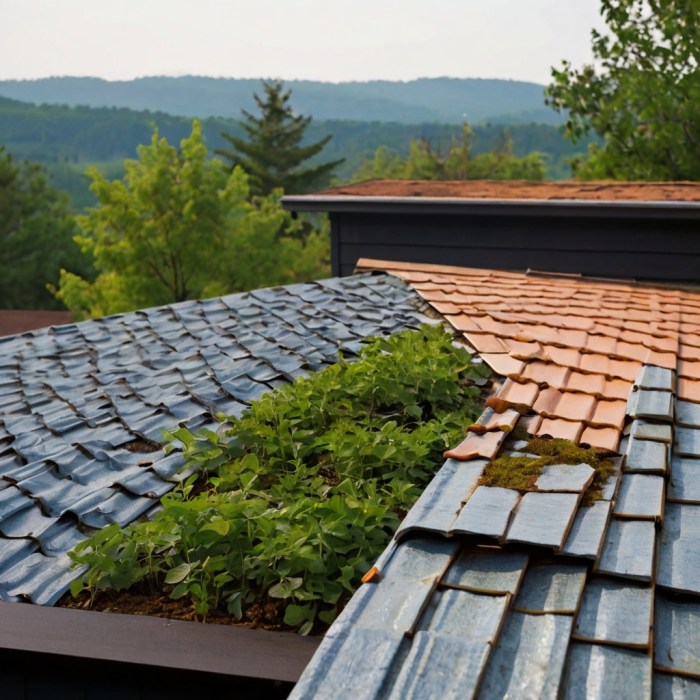
When it comes to eco-friendly roofing materials, there are several sustainable options available for installation. These materials not only help reduce the environmental impact but also offer durability and aesthetic appeal compared to traditional roofing options.
Solar Shingles
Solar shingles are a popular choice for eco-friendly roofs as they harness the power of the sun to generate electricity for the home. These shingles are durable, long-lasting, and can seamlessly blend into the roof's design, offering both sustainability and aesthetic appeal.
Green Roofs
Green roofs, also known as living roofs, are covered with vegetation and plants that provide insulation, reduce energy costs, and improve air quality. These roofs not only offer a natural and visually appealing look but also help reduce stormwater runoff and increase biodiversity in urban areas.
Metal Roofing
Metal roofing is another eco-friendly option known for its durability and energy efficiency. These roofs are made from recycled materials and can be recycled again at the end of their lifespan. Metal roofs come in a variety of styles and colors, providing a modern and sleek look to any home.
Wood Shakes
Wood shakes are a classic and sustainable roofing option that adds a rustic charm to homes. While they require proper maintenance to prevent rot and mold, wood shakes are biodegradable and can be sourced from responsibly managed forests, making them an eco-friendly choice for roofing.
Installation Process for Eco-Friendly Roofs
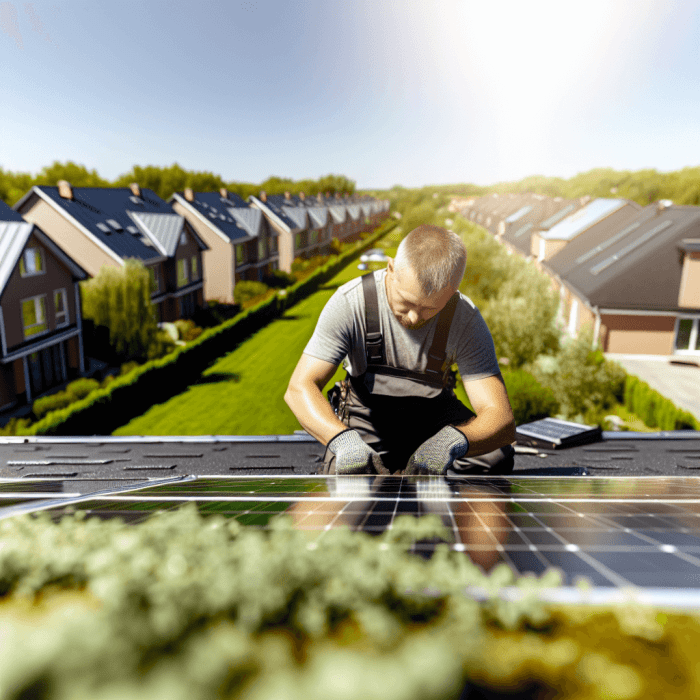
When it comes to installing eco-friendly roofing systems, there are specific steps and considerations that need to be taken into account to ensure a successful and sustainable installation.
Steps Involved in Installing Eco-Friendly Roofing Systems
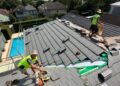
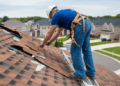
- 1. Inspection and Preparation: The first step involves inspecting the existing roof to assess its condition and suitability for eco-friendly roofing installation. Any necessary repairs or modifications should be made before proceeding.
- 2. Selection of Materials: Choose eco-friendly roofing materials such as solar panels, green roofs, or cool roofs based on your specific needs and environmental goals.
- 3. Roof Deck Installation: The next step is to install the roof deck, which serves as the foundation for the eco-friendly roofing system. Ensure that the roof deck is properly prepared and secured.
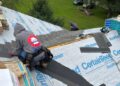
- 4. Installation of Eco-Friendly Roofing Materials: Follow the manufacturer's instructions to properly install the selected eco-friendly roofing materials, whether it's solar panels, green roofing, or cool roof coatings.
- 5. Sealing and Waterproofing: To ensure the longevity and effectiveness of the eco-friendly roofing system, proper sealing and waterproofing should be done to prevent leaks and water damage.
- 6. Final Inspection: Once the installation is complete, a final inspection should be conducted to verify that the eco-friendly roofing system has been installed correctly and meets all necessary standards.
Tools and Equipment Needed for Eco-Friendly Roof Installation
- - Roofing materials such as solar panels, green roofing components, or cool roof coatings
- - Roofing membrane and adhesives
- - Roofing nails, screws, or fasteners
- - Roofing tools such as hammers, drills, saws, and measuring tape
- - Safety gear including gloves, goggles, and harnesses
- - Sealants and waterproofing materials
Specific Challenges or Considerations During the Installation Process
- - Properly integrating eco-friendly roofing materials with existing structures
- - Ensuring proper drainage and insulation for green roofs
- - Addressing any structural modifications needed for solar panel installations
- - Adhering to local building codes and regulations for eco-friendly roof installations
- - Minimizing waste and environmental impact during the installation process
Maintenance and Longevity of Eco-Friendly Roofs
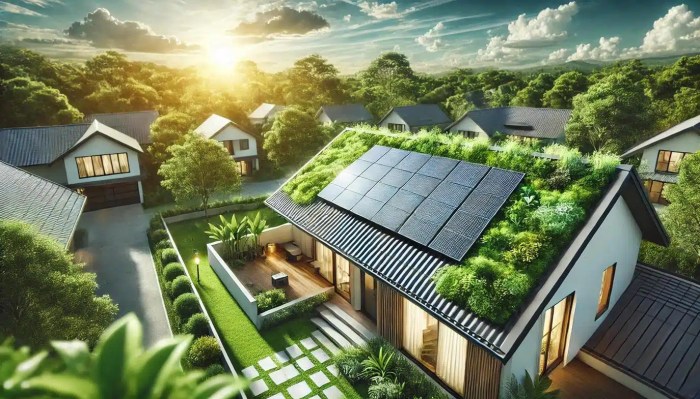
Maintaining eco-friendly roofs is essential to ensure their longevity and maximize their sustainability benefits. Regular inspections, cleaning, and timely repairs are key to preserving the eco-friendly features of these roofs and extending their lifespan.Eco-friendly roofs contribute significantly to the overall sustainability of a building by reducing energy consumption, improving indoor air quality, and decreasing the urban heat island effect.
By using environmentally friendly materials and promoting energy efficiency, these roofs help lower carbon emissions and minimize the environmental impact of buildings.
Tips for Maintaining Eco-Friendly Roofs
- Regularly inspect the roof for any signs of damage, leaks, or wear and tear.
- Keep the roof clean by removing debris, leaves, and other obstructions that can trap moisture and cause deterioration.
- Ensure proper drainage to prevent water ponding and potential water damage.
- Trim overhanging branches to prevent damage from falling limbs and debris.
- Schedule professional roof inspections and maintenance at least once a year.
Lifespan of Different Eco-Friendly Roofing Materials
| Roofing Material | Lifespan |
|---|---|
| Green Roofs (Vegetation) | 25-50 years |
| Solar Panels | 25-30 years |
| Metal Roofing | 50-70 years |
| Recycled Shingles | 20-50 years |
| Wood Shakes | 30-40 years |
Conclusion
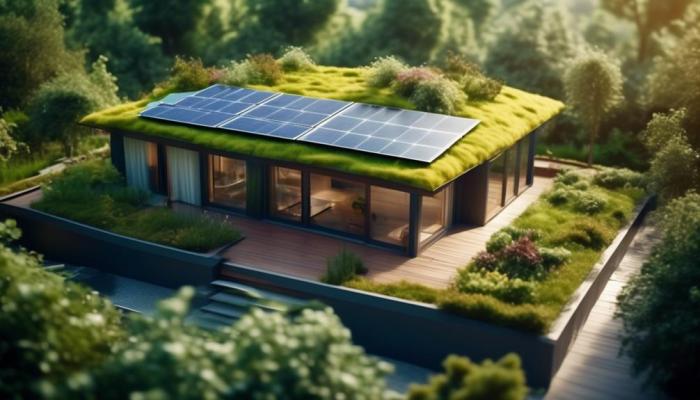
In conclusion, eco-friendly roof installation not only promotes environmental stewardship but also offers practical benefits for homeowners and building owners alike. By embracing sustainable roofing solutions, we can pave the way for a more eco-friendly and energy-efficient future.
Common Queries
How do eco-friendly roofs reduce energy consumption?
Eco-friendly roofs are designed to provide better insulation, reducing the need for excessive heating or cooling in buildings, thereby lowering energy consumption.
What are some common types of sustainable roofing materials?
Common sustainable roofing materials include solar shingles, metal roofs, green roofs, and recycled synthetic materials.
How long do eco-friendly roofing materials typically last?
The lifespan of eco-friendly roofing materials varies depending on the type, with some lasting up to 50 years or more with proper maintenance.