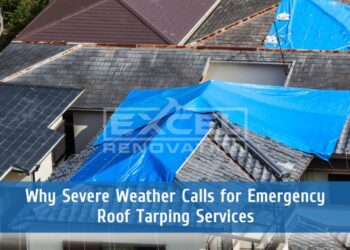

Diving into the world of hail damage roof replacement, this introduction sets the stage for a detailed exploration of this crucial topic. From understanding the impact of hail damage on roofs to the process of inspection and assessment, this article will provide valuable insights for homeowners facing such challenges.
Overview of Hail Damage Roof Replacement
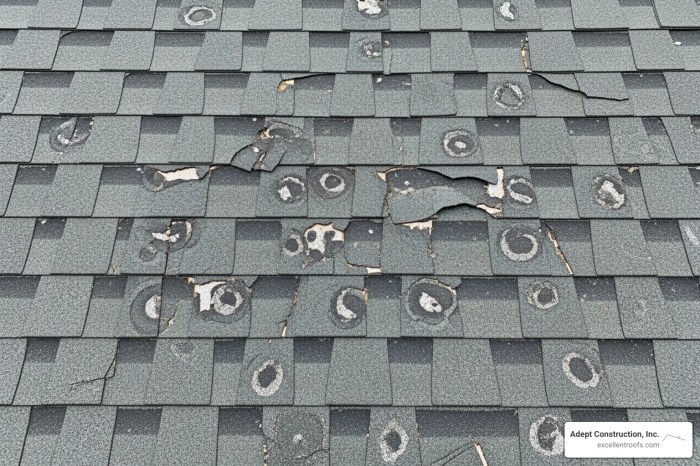
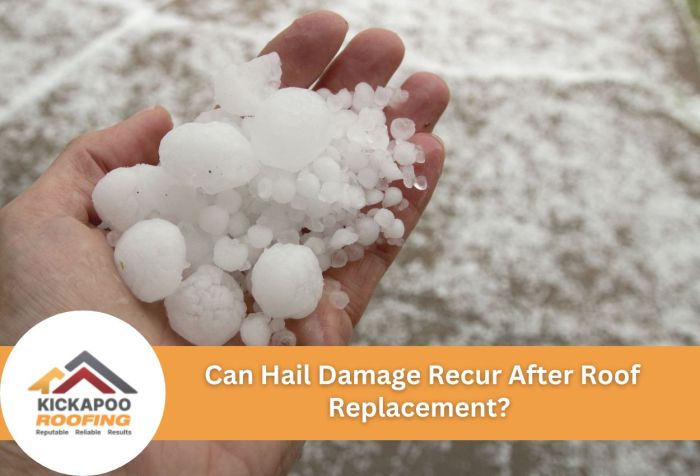
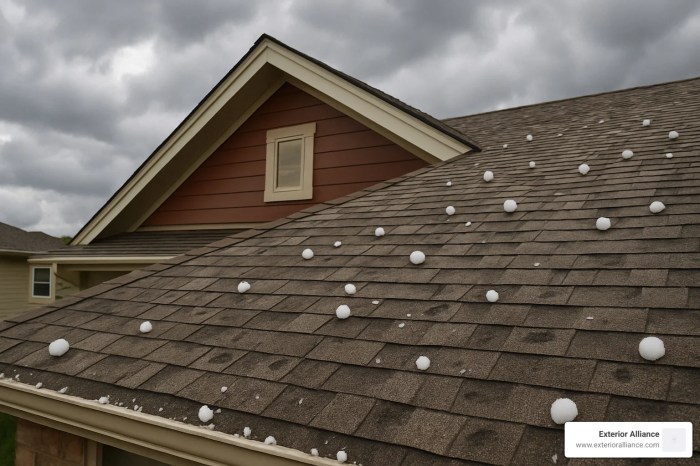
Roofs are often vulnerable to hail damage, especially in regions prone to severe weather conditions. Hail damage occurs when hailstones impact the roof, causing dents, cracks, or missing shingles.
Timely roof replacement after hail damage is crucial to prevent further structural issues and water leaks. Ignoring hail damage can lead to more extensive damage to the roof and potentially impact the interior of the building.
Common Signs of Hail Damage on Roofs
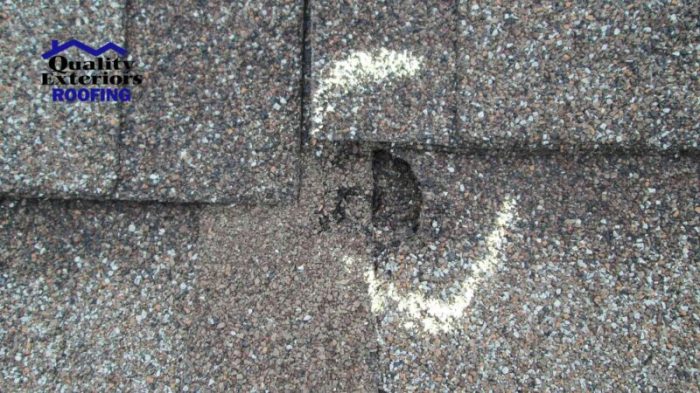
- Dented or cracked shingles: Hailstones can leave visible dents or cracks on shingles, indicating damage.
- Missing granules: After a hailstorm, you may notice granules from the shingles collecting in the gutters, a sign of damage.
- Leaks or water spots: Hail damage can compromise the integrity of the roof, leading to leaks or water spots on the ceiling.
- Hail hits on metal components: Metal flashing, vents, or gutters may show signs of impact from hailstones, signaling damage.
Inspection and Assessment Process
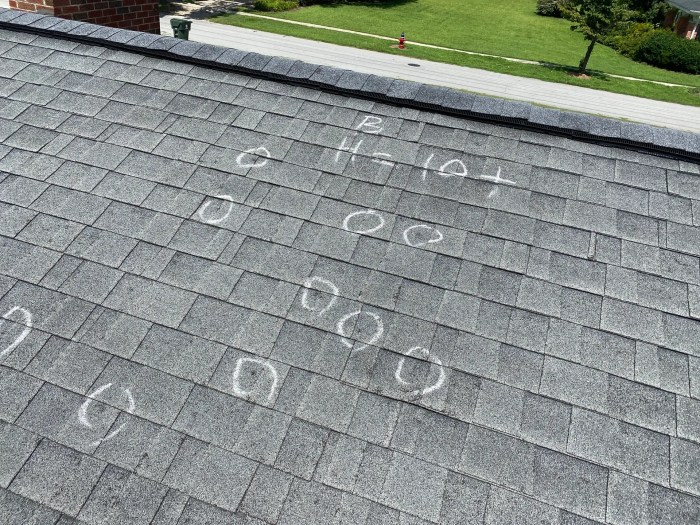
When it comes to inspecting a roof for hail damage, professionals follow a systematic process to accurately assess the extent of the damage. This involves a combination of visual inspection, use of specialized tools, and techniques to evaluate the condition of the roof.
Steps Involved in Inspecting a Roof for Hail Damage
- Visual Inspection: Roofing professionals start by visually examining the roof for any signs of damage such as dents, cracks, or missing shingles caused by hail impact.
- Use of Tools: Professionals may use tools like a ladder, drones, or satellite imagery to get a closer look at hard-to-reach areas and assess the overall condition of the roof.
- Checking Interior: In some cases, professionals may also inspect the interior of the property to look for water stains, leaks, or other indicators of roof damage caused by hail.
How Professionals Assess the Extent of Damage
- Measuring Damage: Professionals quantify the damage by measuring the size and depth of dents or cracks on the roof surface to determine the severity of the impact.
- Documenting Findings: Detailed documentation of the assessment findings is crucial for insurance claims and repair planning, including photographs and written reports.
- Consulting Guidelines: Roofing professionals often refer to industry standards and guidelines to ensure accurate assessment and appropriate repair recommendations.
Tools and Techniques Used During the Assessment Process
- Hail Impact Test: Professionals may conduct a hail impact test using tools like a simulated hailstone or ball to determine the resistance of the roof material.
- Roofing Hammer: A roofing hammer is used to check for any soft spots or areas of weakness on the roof that may have been caused by hail damage.
- Infrared Imaging: Infrared technology can be used to detect moisture or leaks within the roofing system, helping professionals identify hidden damage.
Roofing Materials and Options
When it comes to replacing a hail-damaged roof, choosing the right roofing material is crucial for durability and protection. Different roofing materials offer various benefits and drawbacks, so it's essential to weigh your options carefully.
Asphalt Shingles
Asphalt shingles are a popular choice for hail-prone areas due to their affordability and ease of installation. They come in a variety of colors and styles, making them a versatile option for different home designs. However, they may not be as durable as other materials and can be prone to damage in severe hail storms.
Metal Roofing
Metal roofing is known for its durability and longevity, making it an excellent choice for areas prone to hail damage. Metal roofs are resistant to fire, rot, and pests, providing excellent protection for your home. However, metal roofing can be more expensive upfront compared to other materials.
Slate Tiles
Slate tiles are a premium roofing option that offers unmatched beauty and longevity. They are incredibly durable and can withstand hail impact and severe weather conditions. However, slate tiles are one of the most expensive roofing materials and may require additional structural support due to their weight.
Synthetic Roofing Materials
Synthetic roofing materials, such as polymer or composite shingles, mimic the look of natural materials like slate or wood but offer increased durability and impact resistance. These materials are lightweight, easy to install, and come in a variety of styles.
While they can be more costly than asphalt shingles, they provide excellent protection against hail damage.
Recommendations
For hail damage replacement, metal roofing and synthetic materials are highly recommended for their durability and resistance to hail impact. While asphalt shingles are a more budget-friendly option, they may not offer the same level of protection in severe weather conditions.
Consider your budget, aesthetic preferences, and the level of protection needed when choosing the best roofing material for your home.
Insurance Claims and Coverage
When it comes to hail damage roof replacement, understanding how insurance claims work is crucial for homeowners. Insurance policies typically provide coverage for repairing or replacing roofs damaged by hail storms. However, the extent of coverage can vary based on the specific policy and the insurance provider.
Insurance Claims Process
- After a hail storm, homeowners should document the damage by taking photos and contacting their insurance company.
- An adjuster will be assigned to assess the damage and determine the coverage provided by the policy.
- Once the claim is approved, homeowners can work with their roofing contractor to start the repair or replacement process.
Typical Coverage
- Most insurance policies cover the cost of repairing or replacing a roof that has been damaged by hail, up to a certain limit.
- Additional coverage may be available for other structures on the property that have also been damaged.
- It's important to review the policy details and understand the coverage limits to avoid any surprises during the claims process.
Tips for Homeowners
- Review your insurance policy regularly to ensure you have adequate coverage for hail damage.
- Keep a record of maintenance and repairs done on your roof to provide to the insurance company if needed.
- Work with a reputable roofing contractor who can assist you with the insurance claim process and ensure that the repairs are done correctly.
- Be proactive in filing your claim and following up with the insurance company to expedite the process.
Hiring a Roofing Contractor
When it comes to replacing a hail-damaged roof, hiring a reputable and experienced roofing contractor is crucial. A professional contractor can ensure the job is done correctly, efficiently, and up to industry standards.
Importance of Hiring a Reputable Contractor
- Reputation: Look for contractors with a solid reputation in the community. Check online reviews and ask for references to gauge their reliability.
- Experience: Choose a contractor with extensive experience in handling roof replacements, especially those caused by hail damage.
- Licensing and Insurance: Ensure the contractor is properly licensed and carries adequate insurance to protect you from liability in case of accidents during the project.
Key Factors in Selecting a Contractor
- Written Estimates: Get detailed written estimates from multiple contractors to compare pricing, materials, and timelines.
- Contract Terms: Review the contract terms carefully, including warranties, payment schedules, and project scope to avoid any misunderstandings later on.
- Communication: Choose a contractor who communicates effectively and keeps you informed throughout the project.
Questions to Ask Potential Roofing Contractors
Before hiring a roofing contractor, make sure to ask the following questions:
- How long have you been in business, and can you provide references?
- Are you licensed and insured?
- What is your experience with hail damage roof replacements?
- Can you provide a detailed written estimate for the project?
- What is your timeline for completing the roof replacement?
- Do you offer any warranties on your work?
Wrap-Up
In conclusion, navigating the realm of hail damage roof replacement requires attention to detail and informed decision-making. By understanding the signs of damage, selecting the right materials, and working with experienced contractors, homeowners can ensure a smooth process for roof replacement.
Detailed FAQs
What are common signs of hail damage on roofs?
Common signs include dents, cracks, missing shingles, and granule loss on asphalt roofs.
How do professionals assess the extent of hail damage?
Professionals use tools like drones or climb onto the roof to visually inspect and document the damage.
What are some tips for homeowners navigating insurance claims?
Document the damage, understand your policy coverage, and consider hiring a public adjuster if needed.